


Technology
Wartime Digital Resilience
How Ukraine built a digital platform to streamline public service delivery as well as the national defense

How Ukraine built a digital platform to streamline public service delivery as well as the national defense

Platform thinking pushes social entrepreneurs to leave the role of the problem solver in favor of being an enabler of changemakers who can solve problems locally.

Local social networks are often filled with just as much misinformation, racism, and toxicity as global platforms, with effects that can be even more severe.

The ethical pause—a short period of reflection and inquiry about a project’s ethical implications and the team’s approach to the work—helps ensure teams ask the right questions and address issues of inequity and access in the services they develop.

Through intentional investments and informed divestments, investors, philanthropists, and foundations can support environmentally conscious, community-centered, and reparative approaches to economic and technological change.

The public is not a monolith—it’s an interdependent ecosystem of communities who must determine the tools for a more caring future.
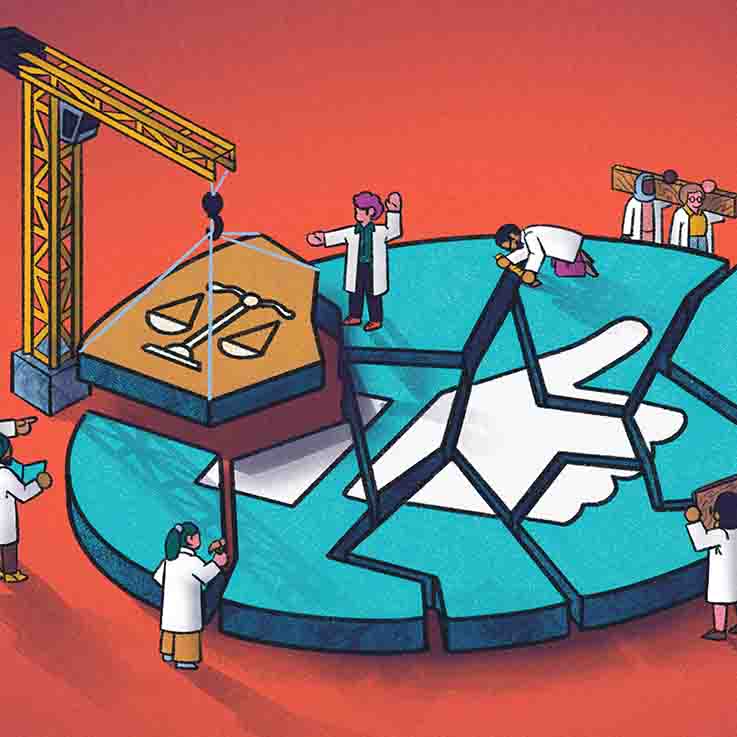
It’s not enough to fix existing social media, we must imagine, experiment with, and build social media that can be good for society.
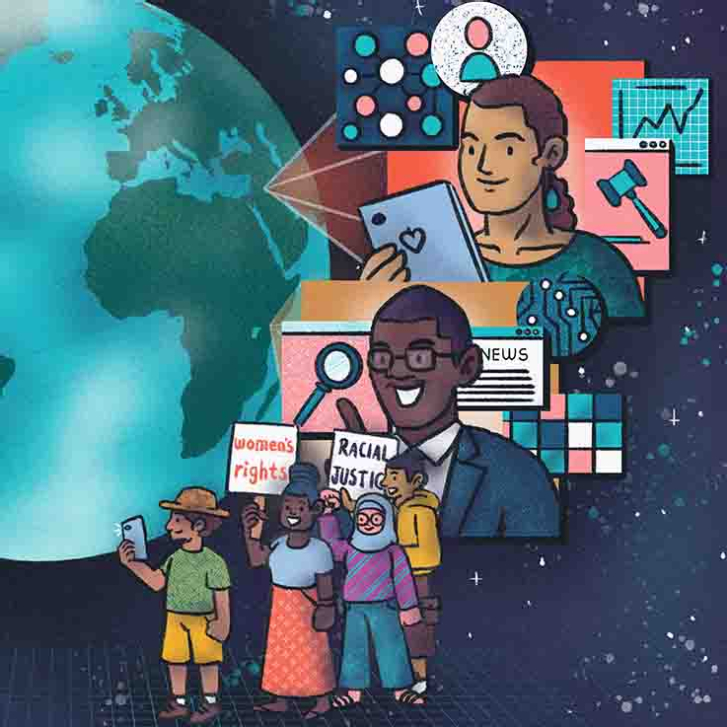
Stories from Mozilla and Ford’s Tech & Society Fellowship, plus five lessons for funders.

Why representation, resources, and mentorship matter most when growing a diverse community of public interest technologists.
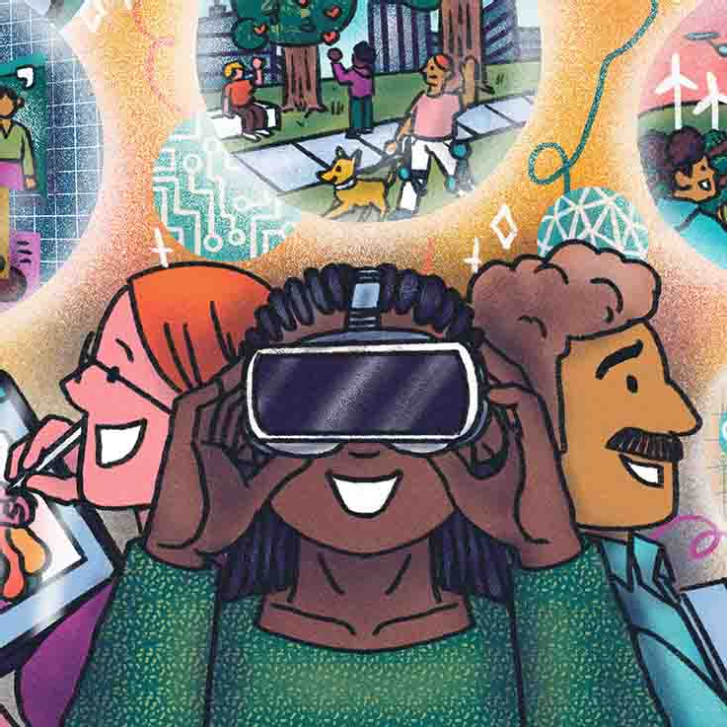
To create just, equitable, and self-determined tech futures that work for everyone, we need to center and support voices from the communities most impacted by tech’s biases and harms. A more just tech future requires deep investment in people to make space for visioning and creation, not simply tech solutions.